How can a bronze bull trigger so many emotions?

Redacción Mapfre

José David López, Investment Manager at MAPFRE Colombia
New York City is home to a famous sculpture of a charging bull. Known as the Wall Street Bull, it was created by Italian artist Arturo Di Modica in 1989. This beautiful work of art is made of bronze, weighs 3.2 tons, and measures 3.4 meters high and 4.9 meters long.
Arturo Di Modica spent all his savings at the time to build it: $360,000. And what not many know is that it doesn’t actually belong to the city of New York, as it was an act of "artistic vandalism" after the financial crisis and the market crash of 1987. The sculptor installed it without permission in front of the Stock Exchange as a Christmas gift in December 1989, as a “symbol of financial optimism and prosperity” and of “the strength and power of the people.”
Since that time, this sculpture has become quite famous worldwide as the image of the financial district of New York. But it’s also the object of countless anti-capitalist and religious criticisms, vandalism, and is also famous for its role in countless films and labor strikes. It's currently located in lower Manhattan's Bowling Green Park, just a few blocks from the NYSE. It’s considered to be one of the most photographed sculptures in the world, attracting millions of visitors each year.
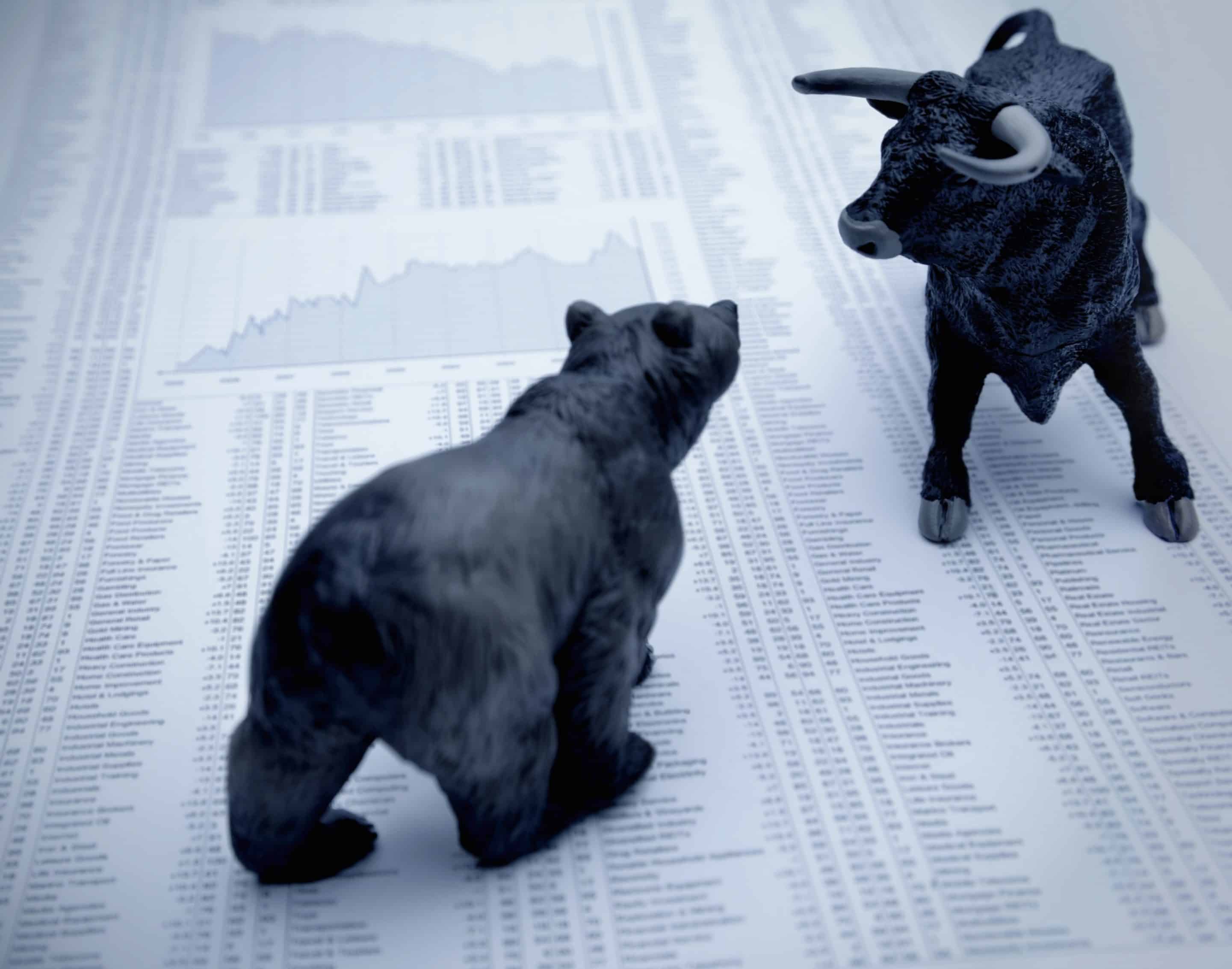
- Bull and bear , symbolic beasts of market trend
But is it just a sculpture?
In the midst of adversity, the Bull inspires great admiration, strength, optimism, prosperity, and hope in many people. But others oppose what it represents, including the system, idolatry, and political, religious, and gender issues, among others. The emotions that this bull stirs in investors around the world and financial professionals are incalculable.
In investments, its meaning represents the demand or buyer of financial assets who invests in different assets such as bonds, stocks, or currencies with the aim of making profits at a given time in bull markets. That’s why, when it charges, it does so with its horns pointing upward, representing the rise of the financial markets. The more bulls there are in the markets, the higher the prices will rise and the greater the euphoria. For example, the S&P 500 has seen an average gain of 10.5% per year over the last 30 years; the Euro Stoxx 50 is up more than 139% since 2008; trading in emerging currencies has generated gains of around 40% over the last 10 years; and Mapfre's share in the Ibex 35 has risen more than 110% since 2000.
On the other hand, there’s also the supply/demand counterbalance, symbolized by the bear, the animal that represents depressed markets (bear market), because bears attack with their claws downwards. In economic crises, fear in the markets is personified by the bear. Every time there’s a bear stampede, markets plummet, prices fall, and nervousness grows. For example, in the history of bear markets, we have the 1929 financial crash with losses of -86%, Black Monday of 1987 with -28%, the dotcom crash of 2000 with -78%, the subprime crisis of 2008 with -54%, and the most recent one in 2020 with the Covid-19, where the markets were down about -40%.
Therefore, the emotions that bulls and bears generate in the financial markets go far beyond a mere sculpture or graphic representation: as a matter of fact, these animals evoke all kinds of feelings in the world of investing.