“We need to evaluate whether the investment strategy should be changed, given the possibility of stimulus withdrawal”

Redacción Mapfre

The markets seem to have started the current period on a positive note. The good pace of growth, which has exceeded the ECB’s expectations, and the liquidity in the markets, have inspired a climate of optimism for the upcoming months. Nevertheless, Alberto Matellán, Chief Economist at MAPFRE Inversión, tells Radio Intereconomía that “the increases seen in macro forecasts” are slowing, and after seeming to hit a peak, “the situation is generating less enthusiasm than it was before.”
That initial optimism had been shared by the main central bankers, who continue to claim that they are not too concerned about potential inflationary tensions. “All signs point to this being temporary, although we cannot rule out the possibility that price levels will stabilize between 2.5 and 3,” the expert says. In line with this slowing trend, investors “continue to believe” that stimulus withdrawal remains a possibility. He adds that if this happens, assets will suffer because “it will lead to removal of liquidity.”
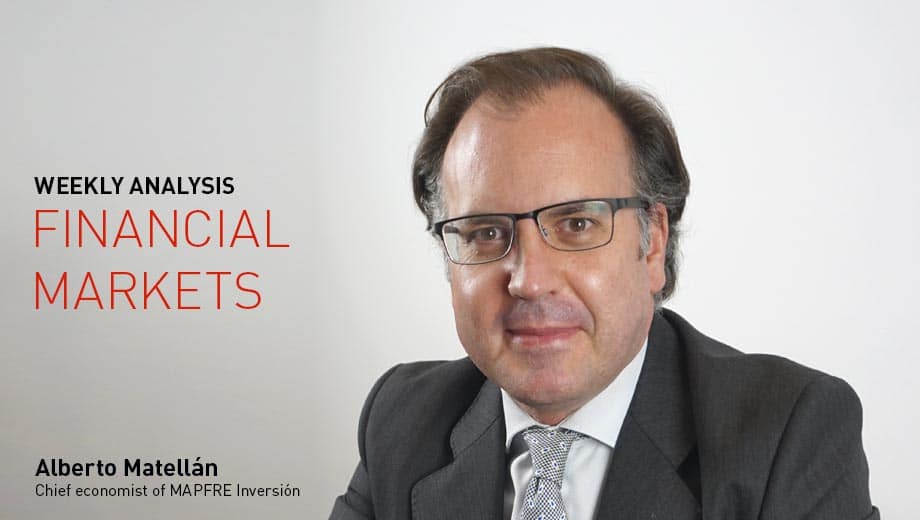
The reality is that growth continues, and the new private-sector employment data from the United States is supporting it. “Economic growth above 6% is compatible with a strong rise in employment, which would give the GDP sustainability,” the economist explains. In parallel, the historic drop in unemployment seen in August in Spain and the country’s PMI “have demonstrated that the recovery has arrived,” even though tourism has suffered from a loss of spending by foreign tourists.
In the end, and after encouraging prudence throughout the month of July, Alberto Matellán says that there have been no major changes in the investment decisions. However, he also points out the need to evaluate “what the strategy would be in response to a withdrawal of stimulus.” Focusing now on the final part of the year, he emphasizes the importance of “planning the financial-fiscal strategy in terms of savings and investment.”